

Market Insight · Australia Sourcing · ECTA Trade Policy
For Australian hotel chains, boutique resorts, and commercial laundries, the math behind operating costs is under constant scrutiny. Hospitality linen—terry towels, bedsheets, bath mats, and bathrobes—represents a massive recurring operational expense.
Historically, buyers have leaned heavily on traditional manufacturing hubs in East Asia. But with changing geopolitical dynamics, rising labor costs, and a global shift toward the “China Plus One” strategy, Australian procurement managers are actively seeking resilient, cost-effective alternatives.
Enter the India-Australia Economic Cooperation and Trade Agreement (ECTA). Implemented recently, ECTA has fundamentally rewired the textile sourcing landscape, granting zero-duty access to Indian textiles entering Australia. For Australian hospitality buyers, this isn’t just a minor policy update; it is a direct boost to bottom-line profitability. Here at Celeris Exim, we are seeing firsthand how this historic agreement is positioning India as the ultimate sourcing hub for premium hotel linen.
Here is a deep dive into why Australia’s zero-duty ECTA access makes India the smartest bet for your next linen procurement cycle.

1. The Immediate Margin Boost: 0% Customs Duty
Before the ECTA, Indian home textiles and hospitality linens faced import tariffs when entering the Australian market. This tariff acted as a friction point, sometimes offsetting India’s inherent manufacturing cost advantages.
Under the ECTA, duties on 100% of Indian textile and apparel exports to Australia have been slashed to zero — direct cost arbitrage, with no compromise on GSM, yarn quality, or durability.
The ECTA Cost Advantage for Australian Importers
| Sourcing Metric | Pre-ECTA India | Post-ECTA India | Traditional East Asian Hubs |
|---|---|---|---|
| Import Tariff | ~5% | 0% | Variable / subject to trade tensions |
| Raw Material Source | Domestic (world’s 2nd-largest cotton producer) | Domestic | Often imported (vulnerable to supply shocks) |
| Landed Cost | High | Highly competitive | Increasing, on labor/freight costs |
| Bottom-Line Impact | Standard | Direct margin expansion | Shrinking margins |
2. Unmatched Vertical Integration: From Cotton to Hotel Bed
India is not just a cut-and-sew destination; it is the world’s second-largest producer of cotton. This deep vertical integration means that when you source from India, the supply chain is highly insulated from global raw material shortages.
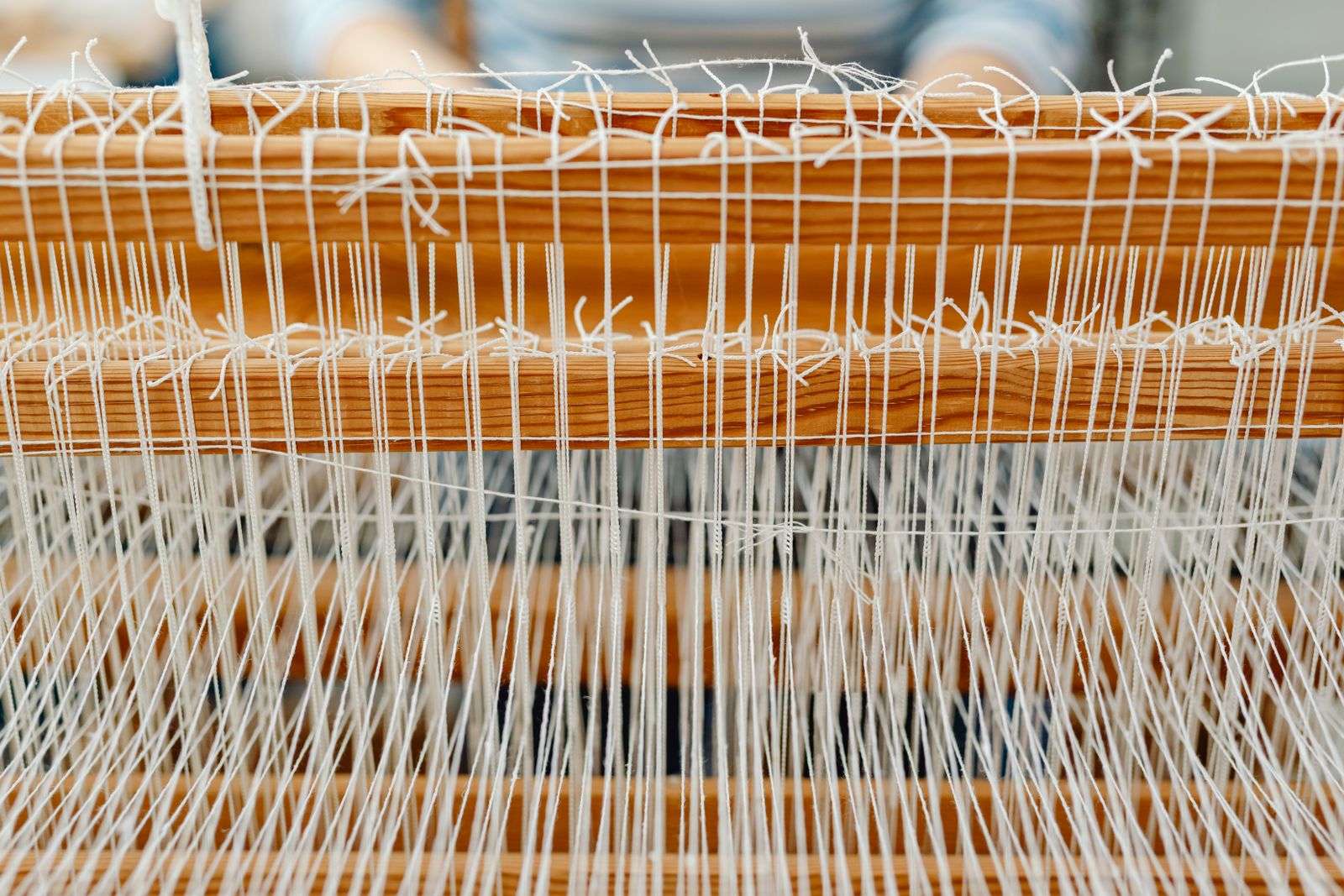
When you partner with a sourcing expert like Celeris Exim, you gain direct access to this integrated ecosystem. We tap into specialized regions like the Solapur Textile Cluster—a ₹2,000-crore manufacturing powerhouse famous for its GI-tagged terry towels.
Because Solapur focuses intensely on jacquard and dobby weaving techniques with high-grade cotton, the towels produced here boast superior absorbency, exceptional pile retention, and the ability to withstand the harsh chemical washes of commercial hotel laundries. ECTA simply makes acquiring this world-class quality significantly cheaper for Australia.
3. De-Risking Your Supply Chain
Relying on a single country for all hospitality consumables is a high-risk strategy. Recent years have exposed the fragility of concentrated supply chains.
Australian procurement managers are increasingly prioritizing resilience. India offers a stable democratic environment, a transparent legal framework, and a rapidly modernizing port infrastructure. By shifting a portion of your linen sourcing to India under the ECTA framework, you effectively hedge against regional disruptions elsewhere.
4. Bridging the Gap: How Celeris Exim Maximizes the ECTA Benefit
While zero-duty access makes India attractive on paper, successfully executing an import strategy requires on-the-ground expertise. Finding the right manufacturer, ensuring consistent quality, and managing logistics can be daunting — dealing with unverified vendors can quickly erode your ECTA savings.
This is where Celeris Exim becomes your strategic partner. We act as your localized procurement arm in India, ensuring your zero-duty imports are 100% stress-free:
The Celeris Exim Sourcing Process
- Precision factory matching. We don’t just use directories — we source directly from specialized hubs (Solapur for towels, Panipat for bedsheets), matching your specific GSM, thread count, and blend requirements to the right factory.
- Rigorous quality control. Multi-stage QA/QC, from yarn tensile strength tests to post-weaving inspections, to ensure the linen survives 100+ commercial wash cycles.
- ECTA compliance & documentation. Zero-duty access requires strict “Rules of Origin” documentation. We handle the paperwork so your cargo clears Australian customs and claims the 0% tariff without delay.
- Seamless logistics. From factory floor to your warehouse in Sydney, Melbourne, or Perth, we optimize freight for the most cost-effective landed price.
Conclusion: The Time to Pivot Is Now
The India-Australia ECTA has fundamentally shifted the competitive landscape of hospitality linen procurement. For Australian buyers, continuing to source exclusively from traditional hubs means leaving money on the table.
With zero import duties, India’s vast cotton reserves, specialized manufacturing clusters like Solapur, and the on-the-ground expertise of Celeris Exim, there has never been a better time to optimize your supply chain.
Ready to calculate your cost savings under ECTA? Whether you need high-GSM spa towels, durable pool towels, or crisp percale bedsheets, Celeris Exim is ready to deliver.