
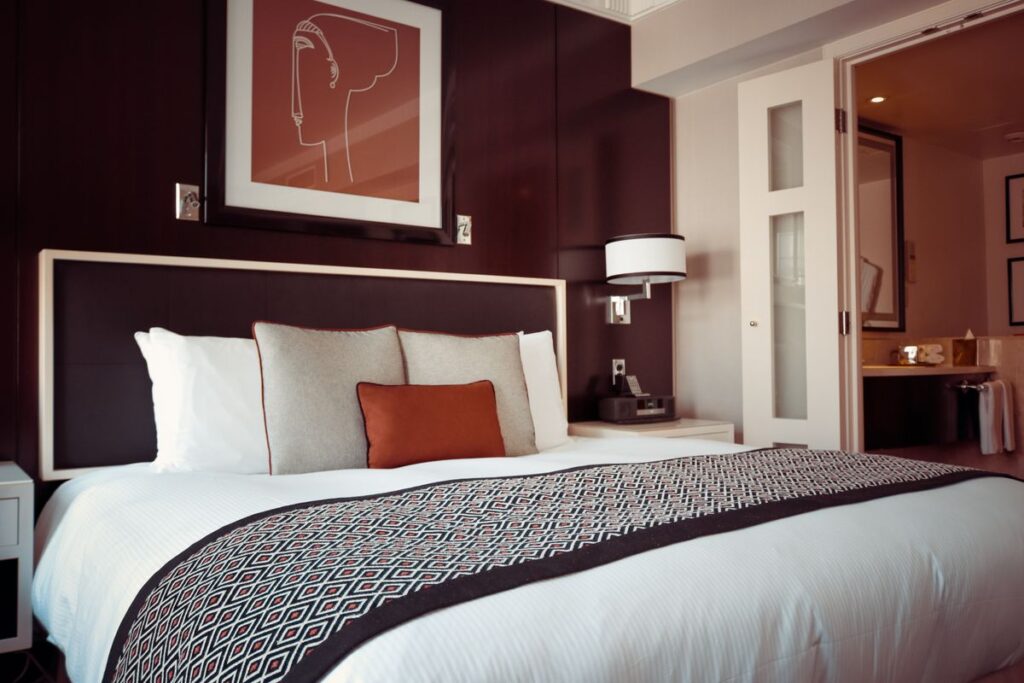
“Par level” is the number of complete linen sets a hotel keeps for each room it operates. It is one of the first numbers a procurement team needs before placing a linen order, and it drives both the initial purchase and every replenishment after it.
What one par means
One par is the quantity of linen needed to dress every bed and stock every bathroom in the property once. In a 100-room hotel with two beds in 20 of the rooms, one par of bed linen covers 120 beds. One par of towels covers every guest the hotel can sleep, with a standard allocation of bath towels, hand towels, face cloths and bath mats per guest.
Why a hotel needs more than one par
Linen is always in one of several places at once: on the bed, in the laundry cycle, on the shelf ready for use and in the housekeeping carts. The par number reflects that circulation.
- Par 1 is what is on the beds and in the bathrooms now.
- Par 2 is what is on its way to or from the laundry.
- Par 3 is the clean stock waiting in storage or on the floor linen rooms.
Many properties work with three pars as a starting point and move toward four or five where laundry turnaround is slow or the hotel runs at high occupancy for long stretches. Treat these numbers as a rule of thumb, and let your own laundry data decide.
What moves your par number up or down
- Laundry model. A hotel with an on-site laundry that turns linen around within a day needs fewer pars than one that sends linen to a commercial laundry with a two- or three-day cycle.
- Occupancy pattern. A resort with seasonal peaks needs enough stock to cover peak weeks, while a city hotel with steady demand can run leaner.
- Bed and bath configuration. Twin rooms, sofa beds, extra beds and suites with several bathrooms all raise the count.
- Service standard. Daily full linen change, a second towel change or turn-down service adds usage per room.
- Imported lead time. When linen comes by sea from India, a longer reorder cycle justifies a larger buffer.
A worked example
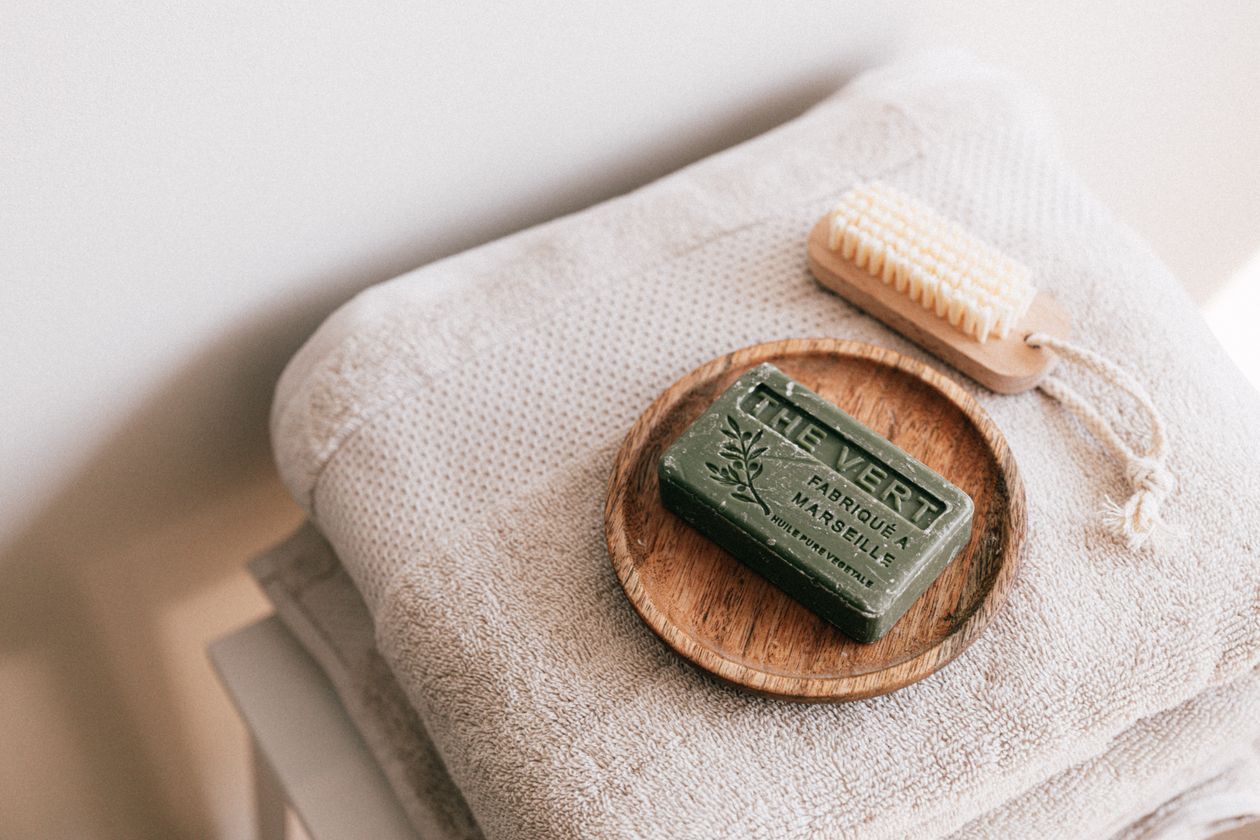
Take a 60-room boutique hotel with one queen bed per room and an outsourced laundry with a two-day cycle. One par of sheet sets is 60. Working at four pars gives 240 sheet sets, and the same logic applies to pillowcases and duvet covers. For towels, if the hotel allows two bath towels per room, one par is 120 bath towels and four pars is 480. Add the hand towels, face cloths and mats on the same basis, then add the buffer stock below.
Buffer stock and replacement cycle
Keep a buffer for rejects, stains and the normal wear that removes a few pieces from circulation every month. Many hotels budget a rolling replacement allowance each year and adjust it using their own wash and discard records. A first order that matches the planned par, plus a sensible buffer, avoids the need for a rushed top-up shipment in the first season.
When you place an order with an Indian mill, give it the par, the wash method and the replacement plan. It helps the mill recommend the right GSM and construction, and it helps you plan reorders around freight lead time.
Putting it together
Start with the laundry model, count your beds and bathrooms, choose a par that fits your turnaround and add a buffer. That gives a quantity you can take to a sourcing partner for pricing, with a clear basis for the numbers.